
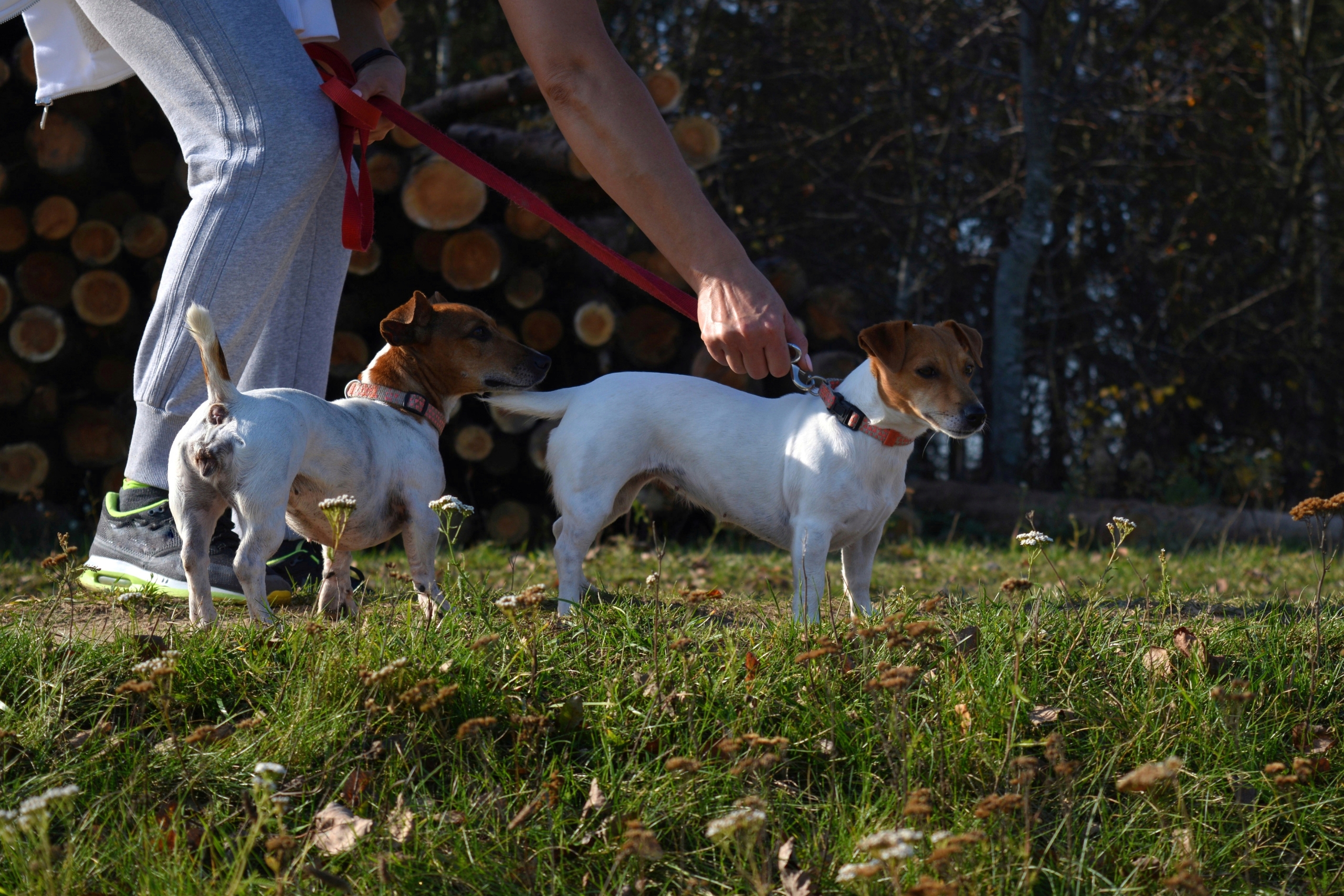
Taking your pet out into the world is one of the most genuinely joyful experiences available in pet ownership — the specific pleasure of watching a dog experience the sensory richness of a new park for the first time, the satisfaction of bringing your well-behaved cat in a carrier to a pet-friendly café and seeing the delighted reactions of the people around you, and the broader enrichment that social exposure and varied environments provide to any animal’s behavioral and emotional development are all genuine and real benefits that make the effort of public outings more than worthwhile. But bringing a pet into public spaces — even those that are explicitly pet-friendly and that welcome animals as a stated policy — comes with a set of responsibilities that the word “pet-friendly” does not automatically discharge. Being allowed to bring your pet somewhere and being a genuinely considerate, well-prepared pet owner in that space are two different things, and the difference between them is felt not by the pet owner whose animal is having a wonderful time but by the other people in the space who did not choose to share their afternoon with a poorly managed animal whose presence they have no easy way to remove themselves from. This guide covers the complete framework for responsible public pet outings — the preparation that makes the experience safe and enjoyable for your animal, the specific considerations for each type of public space, and the etiquette that ensures your pet’s presence is a positive contribution to the shared experience of a public space rather than an imposition on the people who share it with you. Because the measure of a responsible pet owner in public is not whether their pet is having fun — it is whether everyone else is too.
Pre-Outing Preparation: What to Do Before You Leave the House
The difference between a public outing that goes smoothly and one that becomes stressful for you, your pet, and everyone around you is almost always determined before you leave the house — in the preparation whose quality sets the conditions for everything that follows. The pet owner who arrives at a busy park with a dog who has not been vaccinated, who is not wearing identification, who has not been exercised and is therefore bursting with pent-up energy, and who has never been reliably trained to respond to basic commands in a distracting environment has set themselves and their animal up for the specific experience of public outing chaos that gives responsible pet owners in general a reputation problem they did not earn.
Health and identification are the non-negotiable basics whose verification before any public outing is the minimum responsibility of any pet owner. Vaccinations must be current — not merely for your pet’s own protection but for the protection of every other animal whose contact with your pet in a public space creates the transmission opportunity that inadequate vaccination allows. The rabies vaccination is legally required for dogs and cats in most US states, but the full vaccination schedule including distemper, parvovirus, and bordetella for dogs and the core feline vaccines for cats is the standard whose maintenance reflects genuine responsibility for the health of the broader animal community your pet will encounter in public spaces. Identification — the collar tag with current contact information, the microchip whose registration is up to date with current address and phone number, and in high-risk situations the additional security of a GPS tracker whose battery is charged — is the preparation whose importance is only fully understood in the moment of the separated, panicked search for a lost animal that no amount of subsequent grief undoes. These basics should be verified before every public outing rather than assumed to be in order from the last time they were checked.
Training readiness is the preparation dimension whose honest assessment most directly determines which public spaces your pet is genuinely ready to visit. The basic commands — sit, stay, come, leave it, and the loose-leash walking that allows you to move through a crowd without your dog pulling into other people — are the minimum behavioral toolkit that any dog brought into a public space with other people and other animals should reliably respond to in a distracting environment, not merely in the controlled calm of the living room where they were originally trained. The honest self-assessment of whether your specific dog actually responds to these commands in a genuinely distracting environment, rather than the wishful thinking that the home training will generalize immediately to the busy park, is the preparation practice whose honesty most directly prevents the public outing scenarios that create the behavioral crises that emergency corrections under stress most reliably produce. If your dog is not yet reliably trained in distracting environments, the preparation for public outings should include the graduated exposure — the quiet park at an off-peak hour before the busy weekend market, the calm residential sidewalk before the downtown shopping district — that builds the behavioral reliability whose presence makes the more challenging public spaces genuinely appropriate for your animal.
Parks and Outdoor Spaces: Freedom, Responsibility, and Off-Leash Etiquette
Parks and outdoor public spaces are the most commonly visited public destinations for pet owners and the ones whose specific dynamics — the mix of leashed and off-leash areas, the presence of children, other dogs, and wildlife, the variable quality of the other dogs and dog owners sharing the space — create the most varied and the most frequently mismanaged etiquette situations available in public pet ownership. The park is the space where the greatest freedom and the greatest responsibility coexist most directly, and the pet owner whose understanding of both is clear is the one whose park visits are consistently positive experiences for everyone present.
Leash rules are the most fundamental park etiquette requirement and the one whose violation creates the most frequent and the most serious public pet ownership conflicts. If a park requires leashes, your dog is on a leash — without exception, without the self-serving assessment that your dog is friendly and therefore does not need one, and without the practiced ignorance of the rule that the absence of enforcement in a given moment allows. The reason leash rules exist is not the management of your specific dog, whose friendliness you know, but the management of the space for every person and every animal in it, including the reactive dog whose on-leash stability depends on not being approached by an off-leash dog, the child whose fear of dogs is real and whose right to be in a public park without being jumped on by a well-meaning stranger’s animal is as valid as any pet owner’s right to bring their animal there. The off-leash dog that approaches an on-leash dog is creating the specific conflict scenario — the forced greeting that removes the on-leash dog’s ability to retreat, whose consequence in a dog-reactive animal is the lunging, snapping response that the on-leash owner was managing successfully until the off-leash approach made it impossible — that off-leash etiquette in shared spaces is specifically designed to prevent.
In designated off-leash areas, the etiquette responsibilities shift but do not disappear. The recall — your dog’s reliable return when called, regardless of the distractions of the dog park environment — is the single most important behavior for off-leash areas and the one whose absence creates the most dangerous situations. A dog that cannot be reliably recalled does not belong off-leash in a shared public space, and the pet owner whose honest acknowledgment of this limitation keeps their animal leashed until the training is genuinely complete is demonstrating the specific quality of responsible pet ownership that the animals and people sharing the space deserve. Clean-up is the other non-negotiable of park etiquette — every elimination, every time, regardless of whether anyone is watching — whose consistent practice by every dog owner is the basic condition that makes dog-friendly parks possible and whose failure by even a minority of visitors is the reason that many parks restrict or eliminate dog access entirely.
Beaches: Sun, Sand, and the Special Considerations of Coastal Outings
Pet-friendly beaches are among the most exhilarating public outing destinations available — the specific combination of open space, water play, and the sensory richness of the coastal environment creates a genuinely wonderful experience for most dogs whose enthusiasm for the beach is usually total and immediately apparent. But the beach environment also creates specific preparation and etiquette challenges whose management determines whether the outing is the joyful experience it can be or the chaotic, stressful, and potentially dangerous one that inadequate preparation allows.
Heat and hydration are the most serious safety considerations for beach outings — the combination of direct sun, hot sand, physical exertion, and the salt water whose consumption increases rather than relieves dehydration creates the conditions for heat exhaustion and heatstroke that the enthusiastic dog who does not self-regulate their activity in the excitement of the beach environment is particularly vulnerable to. Fresh water in generous quantities, shade access or a portable canopy for rest periods, and the specific awareness of the signs of heat exhaustion — excessive panting, drooling, lethargy, and the loss of coordination that indicates emergency veterinary attention is required — are the preparation and monitoring practices whose consistent application keeps the beach outing safe. The hot sand whose surface temperature in direct summer sun can reach temperatures sufficient to burn paw pads is a specific beach hazard that many pet owners underestimate — testing the sand with the back of your hand before walking your dog on it and walking on wet sand or in shallow water where the temperature is safer are the practical responses to a hazard that produces the specific paw injuries that beach visits without this awareness too commonly generate.
Beach etiquette for pet owners includes the specific awareness that even a pet-friendly beach is a shared space with people who did not come to interact with your dog. The dog who runs up to strangers’ beach setups, who jumps on children building sandcastles, who shakes saltwater on people who are clearly trying to sunbathe in peace, and whose owner calls the behavior friendly and good-natured as if the characterization is sufficient to make it acceptable is the dog whose presence at the beach creates the specific experience of public pet ownership that generates the complaints that lead to beaches restricting pet access. The management of your dog’s interactions with other beachgoers — the active guidance away from people who have not invited the interaction, the prevention of food theft from unattended bags and picnic setups, and the clean-up of any elimination even in the wide open space of a beach whose social contract includes the assumption that everyone is managing their animal responsibly — is the beach-specific etiquette whose consistent practice by every pet owner is the condition that makes pet-friendly beaches possible and that justifies the access that responsible owners and their animals most directly benefit from.
Restaurants and Cafés: Dining Out With Your Pet
The expansion of pet-friendly dining — the outdoor patios and sidewalk cafés whose welcome of well-behaved pets has grown significantly in the past decade across most American cities — is one of the most visible expressions of the changing relationship between pet ownership and public life, and the etiquette that makes it work is among the most specifically important in the public pet ownership landscape because the dining environment’s specific combination of food, close quarters, and the expectation of a pleasant, relaxing experience for human customers creates the highest concentration of specific scenarios where a poorly managed pet creates the most direct and most undeniable disruption of other people’s enjoyment.
The behavioral prerequisites for restaurant outings are higher than for any other public setting — the dog who begs at other tables, who jumps on servers, who barks at passing dogs, who pulls toward the food at adjacent tables, or who cannot maintain a settled position under or beside the owner’s chair for the duration of a meal is not a dog who is ready for restaurant environments regardless of the owner’s comfort with the behavior. The place command — the trained behavior of settling on a mat or in a designated spot and remaining there calmly — is the single most valuable restaurant-specific training whose investment transforms the dining outing from a management challenge into a genuinely relaxed experience. The dog who settles quietly under the table while you eat is the dog whose presence at a pet-friendly restaurant is universally appreciated; the dog whose management requires your full attention throughout the meal while your food gets cold and your dining companions find themselves more focused on the animal than the conversation is the dog whose presence, however technically permitted, is not yet the genuine asset it could be with more training and more graduated exposure to the restaurant environment.
The specific considerations for restaurant pet etiquette include never bringing a pet inside a restaurant even if invited by the owner, because health code regulations in most US states prohibit animals other than service animals in food preparation and service areas regardless of the establishment’s personal preferences. Tying a dog outside a restaurant while you dine inside — a common practice whose animal welfare and public safety implications are both concerning — is generally inadvisable both because of the distress it causes to dogs who are attached to their owners and because of the specific security risk of a dog left unattended in public. Always asking rather than assuming that the outdoor seating permits pets, positioning your pet where they are least likely to be in the path of servers or other diners, and bringing your own water bowl rather than asking the restaurant to provide one are the specific restaurant etiquette practices whose consistent application by pet-owning diners is the reason that the restaurants willing to welcome pets continue to do so.
Malls and Shopping Areas: Navigating Crowds and Indoor Spaces
The growing number of shopping malls, outdoor retail districts, and commercial areas that permit leashed pets in their common areas or outdoor spaces reflects the same shift in public pet culture that has expanded dining and beach access — and the specific etiquette challenges of the shopping environment, whose combination of crowds, hard floors, food courts, and the specific anxiety triggers of busy commercial spaces creates the highest-stimulation environment that most pets will encounter in public, require the specific preparation and the specific behavioral readiness that casual dog owners most commonly underestimate.
The honest assessment of whether your specific pet is genuinely suited to the mall environment — the assessment whose honesty prevents the specific experience of the pet who is clearly overwhelmed, clearly anxious, and clearly communicating through their body language that the environment is more than they can comfortably process — is the first and the most important mall-specific preparation. The dog who shows signs of anxiety in busy environments — the tucked tail, the flattened ears, the refusal to move forward, the excessive panting without physical exertion, the hypervigilance whose constant scanning of the environment prevents any relaxed engagement with the experience — is not a dog who is having a good time at the mall regardless of the owner’s comfort with the outing. The welfare of the animal is the primary consideration, and the pet whose welfare is genuinely served by the mall outing is the confident, well-socialized animal whose behavioral profile in busy environments is genuinely comfortable rather than merely tolerated.
The specific mall etiquette for pet owners encompasses the management of interactions with strangers — whose desire to pet every dog they encounter is understandable and often charming but whose approach to your pet should always be your choice to allow or decline rather than the stranger’s choice to impose — the prevention of elimination incidents whose possibility in an indoor environment requires the specific preparation of the pre-outing walk and the specific awareness of the early signals that your pet is about to eliminate, and the management of your pet’s proximity to food courts, food stalls, and the dropped food on shopping center floors whose consumption by your pet creates both health risks for the animal and hygiene problems for the space. The pet in a carrier or a well-fitted harness with a short leash whose management keeps the animal close and manageable in the press of shopping crowd is the pet whose mall presence is most genuinely compatible with the shared public experience that the shopping center visit is for everyone in it.
The Core Principles of Public Pet Etiquette: Considering Everyone Around You
The specific etiquette considerations for each type of public space are all expressions of a small number of core principles whose internalization by any pet owner produces the specific quality of public pet ownership that makes shared public spaces genuinely better for everyone — the principles that recognize the right of other people to use public spaces comfortably and safely regardless of their relationship to or feelings about animals, the responsibility of the pet owner to manage their animal’s impact on the shared environment rather than expecting others to accommodate it, and the specific quality of consideration for other people’s experience that distinguishes the responsible pet owner from the entitled one whose animal’s freedom is prioritized over other people’s comfort.
The most important of these principles is the consistent recognition that not everyone loves your pet. This is not a judgment of your pet’s worth or your relationship with them — it is simply the reality of a diverse public whose members include people with genuine fears of specific animals, people with allergies whose severity makes close animal contact genuinely medically concerning, people who have had bad experiences with animals whose effects on their comfort around unfamiliar animals are entirely reasonable, and people who simply prefer to be in public without interacting with animals regardless of their affection for their own pets at home. The pet owner whose social awareness includes the active reading of other people’s body language — the person who moves aside or increases their distance from your pet, the parent who moves their child behind them as you approach, the person who visibly tenses as your animal approaches them — and whose response to these signals is the management of the animal’s approach rather than the advance of the “but they’re friendly” that invalidates the other person’s comfort is the pet owner whose public presence is genuinely considerate rather than merely technically compliant with the rules of the space.
The management of your pet’s waste is the etiquette practice whose failure is the most universally objected to and the most directly preventable negative impact of public pet ownership. Always carry more waste bags than you think you need. Always pick up every elimination regardless of the inconvenience of the location or the absence of anyone who will observe the failure to do so. Always dispose of the waste in the appropriate receptacle rather than the nearest trash can whose overflow makes it an inappropriate choice or the planting area whose contamination with pet waste creates the specific health and aesthetic problems that make public spaces less pleasant for everyone. The pet owner who fails at this basic responsibility is the one whose behavior most directly generates the opposition to pet access in public spaces that affects every responsible owner who follows behind them.
Conclusion
Bringing your pet into public spaces is a privilege that the increasing availability of pet-friendly parks, beaches, restaurants, and shopping areas represents — a privilege whose continued availability depends entirely on the collective behavior of the pet owners who exercise it. The preparation that ensures your pet is healthy, identified, trained, and genuinely suited to the specific environment you are bringing them into, the etiquette that manages your pet’s impact on the shared experience of the public space with genuine consideration for every person in it, and the specific quality of honest self-assessment that distinguishes the pet owner who recognizes when their animal is not yet ready for a specific environment from the one who brings them anyway and manages the consequences afterward together constitute the complete framework of responsible public pet ownership. In the landscape of pet care, nothing demonstrates the quality of a pet owner’s relationship with their animal and their community more directly than how they behave in public — because the public outing is the moment when the private commitment of pet ownership meets the shared responsibility of community life, and the owners who navigate that meeting with genuine care for both their pet and the people around them are the owners who make pet-friendly public spaces possible, sustainable, and genuinely worth the welcome they extend.